Vintage American Flag Designs for 4th of July Projects
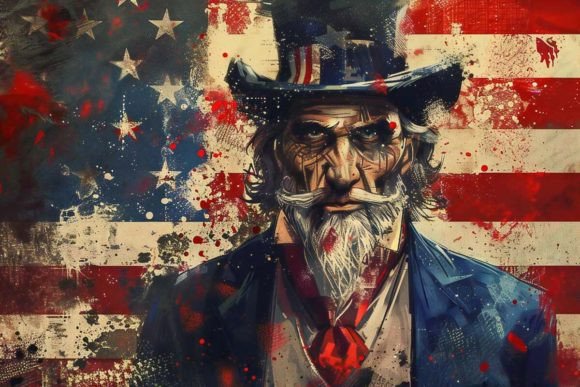
A single image can carry the weight of history, celebration, and creative possibility. The Vintage American Flag 4th of July background offers exactly that—a high-resolution canvas at 6000 x 3363 pixels that blends retro aesthetics with patriotic symbolism. Whether you are designing a flyer for a community picnic, building social media assets for a small business, or crafting a presentation for a history class, this image provides a foundation that feels both authentic and adaptable.
In this article, we explore what makes this visual resource compelling, how different creators can put it to work, and what considerations keep your final product clear, effective, and audience-friendly.
What Makes a Vintage American Flag Background Stand Out
The appeal of a vintage American flag design lies in its texture and tone. Unlike modern, crisp renderings of the flag, a vintage look introduces wear, faded color palettes, and a sense of nostalgia. This approach connects viewers to ideas of heritage, resilience, and the passage of time—without feeling overly polished or commercial.
The file itself, a 5MB JPG at 6000 x 3363 pixels, offers flexibility. You can crop it for banners, use it as a full-screen backdrop, or extract elements for layering. Resolution matters when you need to print posters or display across large screens, and this file handles those demands without noticeable pixelation.
What makes it useful is not just the image quality but the emotional shorthand it provides. A weathered flag signals tradition and authenticity. For marketers and educators, that tone helps ground a message in something familiar yet emotionally resonant.
Designers and Content Creators
If you produce graphics for clients or your own brand, this background works well as a base layer. Place it behind headline text, event details, or product images. The muted, vintage palette prevents the flag from competing with foreground content, unlike a bright modern flag that can overwhelm typography.
Try using it for:
- Event posters for Independence Day celebrations, concerts, or parades
- Social media templates with quote overlays about freedom or community
- Email headers for promotional campaigns around patriotic holidays
- Print materials like flyers, yard signs, or table tents
Because the file is high resolution, you can zoom into specific sections—like a faded star field or a distressed stripe—and use those as repeating textures or masked backgrounds.
Small Business Owners and Entrepreneurs
For businesses that want to acknowledge the 4th of July without resorting to cliché imagery, a vintage flag background offers a more refined option. Use it on product pages, in-store signage, or limited-edition packaging labels.
Practical examples include:
- A bakery announcing a holiday special with the flag as a subtle backdrop behind hand-drawn fonts
- A home goods store creating a limited-run print ad for outdoor entertaining items
- A local gym running a "patriotic workout" promotion with event details layered over the distressed texture
- A real estate agent sending a holiday-themed neighborhood postcard
The key is restraint. Let the image set the mood, not steal the show. Pair it with clean typography and limited color accents—red, navy, or cream—to keep the composition balanced.
Educators and Hobbyists
Teachers preparing classroom materials around American history or civic holidays can use this image to create visual aids, worksheets, or presentation backgrounds. The vintage quality helps communicate a sense of historical depth, which aligns well with lessons about the nation's founding or cultural traditions.
Consider using the background for:
- Slideshow headers for lessons on the Declaration of Independence
- A digital or printed handout with historical quotes overlaid
- A collage base for student projects about patriotic symbols
- A Zoom or Teams virtual background for a class discussion on civic engagement
The high resolution also makes it suitable for printing larger classroom posters without quality loss.
Marketers and Publishers
For anyone sending newsletters, blog posts, or social content around the 4th of July, consistency matters. A single strong background image can unify an entire campaign. Use it across platforms to reinforce visual identity while varying the foreground content.
Ideas for editorial applications:
- Blog post featured images with a subtle flag texture and a bold title overlay
- Instagram carousels where each slide uses a cropped section of the background for continuity
- Digital magazine spreads for a July issue
- Landing page hero sections for holiday sales or special events
Avoid overlaying too much busy text or multiple images. The vintage flag works best when it has room to breathe.
Adapting the Image for Different Formats and Platforms
The 6000 x 3363 pixel dimension gives you room to crop without losing quality. For social media, consider these common aspect ratios:
- 1080 x 1080 pixels for Instagram square posts
- 1200 x 628 pixels for Facebook link shares
- 1920 x 1080 pixels for YouTube thumbnails or video backgrounds
- 1080 x 1920 pixels for Instagram Stories or TikTok verticals
When cropping, keep the most visually interesting parts of the flag—typically the star field or a balanced stripe section—as your focal point. Test how the image looks with text overlays before committing to a final crop.
For print projects, the 5MB JPG compresses well but retains enough detail for posters up to 20 x 30 inches at 300 DPI. For larger formats, consider whether the vintage texture remains readable from a distance. Often, the faded quality actually improves large-format display by reducing visual noise.
Keeping Your Results Clear and Audience-Friendly
When working with a strong background image, clarity is your first priority. Here are practical ways to maintain readability and consistency:
- Test contrast. Place your foreground content over different areas of the flag. The darker star field works well for white or light text. Stripe sections may require a semi-transparent overlay or drop shadow behind type.
- Limit typefaces. One or two fonts prevent visual competition with the background texture. Serif fonts often pair well with vintage imagery for a cohesive feel.
- Use negative space. Avoid filling every corner of the design. Let the background show through in areas without text or graphics to preserve the image's character.
- Match tone to audience. A weathered flag suggests tradition and sincerity. Align your copywriting with that tone—avoid overly salesy language if the visual says "heritage."
- Test on different devices. Check how your design renders on mobile, tablet, and desktop screens. The background may look darker or lighter depending on display calibration.
Variations and Approaches to Explore
Not every project needs the full image. Consider these ways to vary your use of the Vintage American Flag 4th of July background:
- Monochrome treatment. Desaturate the image partially or convert it to a sepia tone for a more uniform vintage feel, especially if your brand palette is neutral.
- Texture overlay use. Use the flag as a texture map behind other graphics or illustrations, reducing opacity until it provides subtle depth.
- Section extraction. Isolate a single star or a distressed stripe segment and use it as a watermark, icon, or divider element in your layout.
- Layer with other textures. Combine the flag with paper grain, linen texture, or light grunge overlays to create an even more tactile look.
- Color shift. Adjust hue or saturation to match a specific campaign color while keeping the vintage wear characteristics intact.
Each approach changes how the image reads, giving you flexibility for different projects without needing a new asset every time.
Practical Recommendations for Consistent Results
Creators who work with this type of asset regularly often develop workflows that save time and maintain quality. Here are a few recommendations:
Build a template set. Design a few standard layouts—one for social square, one for horizontal banners, one for vertical stories—with the flag background pre-positioned and text areas clearly marked. This speeds up execution when deadlines are tight.
Save a version with lowered opacity. Duplicate the image and reduce its opacity to 40–60% in your editing software. This gives you a quieter version for projects where the flag should not dominate.
Keep a text-safe zone guide. Use guides to mark areas where text remains readable across all crops. Often, the upper two-thirds of the image around the star field offers the most reliable space for overlays.
Store the original file safely. Because the JPG is 5MB and high resolution, keep it in a dedicated asset folder. Avoid repeated re-saving at lower quality, which can degrade the vintage texture.
Why This Image Works for So Many Contexts
The Vintage American Flag 4th of July background succeeds because it balances character with utility. It does not scream for attention. Instead, it provides a visual foundation that supports a wide range of messages—from community gatherings to historical education to brand storytelling.
The large file size and dimensions mean you are not fighting technical limitations. The vintage aesthetic gives you a shortcut to emotional resonance without requiring elaborate design skills. For busy professionals, that combination is rare and valuable.
Whether you are a designer building a campaign, a teacher preparing a lesson, or an entrepreneur launching a holiday promotion, this image offers a starting point that feels both purposeful and flexible. The best results come when you treat the background as a collaborator, not just a decoration—letting its texture and tone guide the rest of your creative choices.