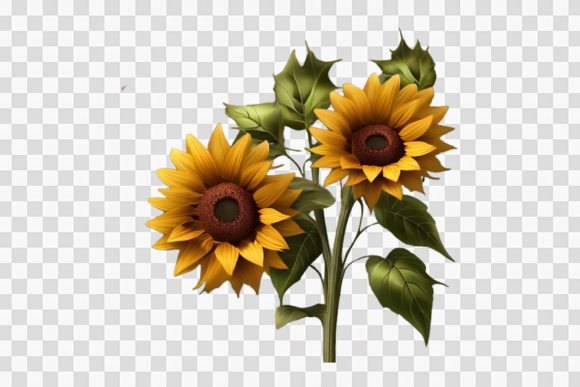
The Versatile Value of a Sunflower Isolated Image in Modern Design
A single sunflower, stripped of background and context, holds surprising power. The sunflower isolated image has become a staple in digital design, print production, and creative branding precisely because it offers flexibility without sacrificing visual impact. Whether you are a print-on-demand seller, a graphic designer, or a hobbyist crafting personalized gifts, understanding how to work with and leverage a sunflower isolated image can elevate your projects and streamline your workflow.
Why a Sunflower Isolated Image Works Across Industries
The appeal of the sunflower is almost universal. Its bright yellow petals, dark central disk, and tall stem evoke warmth, positivity, and natural beauty. When that image is isolated on a transparent background, it becomes a modular asset that can be placed into nearly any design context without the hassle of cutting out or masking. This is especially valuable for professionals who need consistent, high-quality elements that integrate seamlessly into layouts.
For example, a greeting card designer might place a sunflower isolated image against a soft pastel backdrop, while a tote bag manufacturer could print the same graphic onto fabric with a bold, contrasting color underneath. The same file serves both purposes because the transparent background preserves the integrity of the sunflower itself.
Who Benefits Most from a Sunflower Clipart Design
A sunflower isolated image is not limited to one type of user. The audience is genuinely broad, and the use cases reflect that diversity.
- Small business owners and print-on-demand sellers can use a sunflower isolated image as a repeatable design element across mugs, T-shirts, signs, and postcards without needing to re-create artwork for each product.
- Graphic designers and freelancers appreciate the time savings. Instead of photographing a sunflower or illustrating one from scratch, they can drop a ready-made isolated image into compositions for clients.
- Educators and researchers often need clean, distraction-free visuals for presentations, worksheets, or botanical reference materials. A sunflower isolated image on a transparent background allows them to label parts, overlay text, or combine with other diagrams.
- Hobbyists and crafters working with sublimation or heat transfer can print directly onto substrates without worrying about white borders or mismatched backgrounds.
- Content creators and social media managers can use a sunflower isolated image as a recurring visual signature, layering it over brand colors or seasonal backgrounds.
Technical Characteristics of a High-Quality Sunflower Isolated Image
Not all isolated images are created equal. When selecting or creating a sunflower isolated image, several technical factors determine how well it performs in real-world applications.
Resolution and DPI
A file with 300 DPI (dots per inch) is considered print-ready. Lower resolutions may look acceptable on screen but will appear pixelated or soft when printed on physical products like mugs, cards, or tote bags. A sunflower isolated image provided at 300 DPI ensures crisp edges and vibrant color reproduction, whether you are printing at home or through a professional service.
File Format and Transparency
PNG files with transparent backgrounds are the industry standard for raster graphics. They preserve the sunflower's shape without a white box around it. PSD files offer even more flexibility, allowing users to adjust layers, tweak colors, or add effects without damaging the original artwork. Having both formats available means you can work in your preferred software while retaining full editing capability.
Size and Scalability
A sunflower isolated image sized around 4x4 inches at 300 DPI provides a generous canvas for most small to medium print projects. For larger applications like signs or banners, you may need to scale carefully. Vector versions (not included in every package) offer infinite scalability, but a high-resolution PNG at 4x4 inches is sufficient for the majority of sublimation, card making, and apparel projects.
Practical Applications Across Print and Digital Media
The versatility of a sunflower isolated image becomes clear when you examine how it functions across different mediums. Each format brings its own considerations, but the isolated nature of the design simplifies adaptation.
Sublimation Printing
Sublimation transfers dye onto polymer-coated surfaces using heat and pressure. A sunflower isolated image with a transparent background is ideal because the unprinted areas remain clear, allowing the substrate color to show through. This is especially important for white or light-colored mugs, tumblers, and mouse pads. The transparent background means you do not have to manually erase white corners or adjust masks before pressing.
Greeting Cards and Stationery
Card makers often layer multiple design elements. A sunflower isolated image can serve as a central focal point or a decorative corner accent. Because the background is transparent, it blends seamlessly with textured paper, watercolor washes, or patterned cardstock. Designers can resize, rotate, or duplicate the sunflower without worrying about leftover background pixels.
Tote Bags and Apparel
Fabric printing, whether through direct-to-garment or heat transfer, benefits from clean isolation. A sunflower isolated image placed on a tote bag can be positioned exactly where you want it, and the transparent background ensures that the fabric color shows through the negative space. This creates a professional, seamless look that customers expect from quality merchandise.
Signs and Home Decor
For larger applications like wooden signs, canvas prints, or vinyl decals, a sunflower isolated image can be scaled and printed with a clear outline. The transparent background allows the design to be cut precisely around the petals and stem, producing a shaped decal that adheres smoothly to walls, windows, or furniture.
Workflow Integration for Print-on-Demand Stores
Print-on-demand sellers operate in a fast-paced environment where efficiency directly affects profitability. A sunflower isolated image simplifies several steps in the production pipeline.
- Product listing creation: You can mock up multiple products using the same sunflower isolated image. Place it on a mug, a shirt, a tote bag, and a greeting card within minutes using template software.
- Customer customization: If you offer personalized products, a sunflower isolated image can be combined with custom text, monograms, or additional graphics. The transparent background makes layering straightforward even for non-designers.
- Inventory flexibility: Instead of storing physical inventory, you can offer the sunflower design across dozens of product types. The digital file is the same; only the blank product changes.
- Brand consistency: Using the same sunflower isolated image across your store reinforces visual identity. Customers recognize the style and associate it with your brand.
Customization and Design Expansion
While an off-the-shelf sunflower isolated image works well for many projects, some creators need something more tailored. A PSD file allows you to adjust hue, saturation, brightness, and contrast to match a specific color palette. You might want a more vintage sunflower with muted yellows and browns, or a highly saturated modern version with neon accents.
If you have a specific vision that goes beyond simple adjustments, commissioning a custom design is a natural next step. Whether you need a sunflower isolated image with a specific petal count, a particular stem curvature, or additional elements like leaves or seeds, working directly with a designer gives you control over every detail. This is especially useful for branding where consistency and uniqueness matter.
Quality Considerations When Choosing a Sunflower Isolated Image
Not every file you find online meets professional standards. Before purchasing or downloading a sunflower isolated image, evaluate a few key aspects.
- Edge quality: Zoom in to check for jagged edges, stray pixels, or remnants of the original background. A well-isolated image should have smooth, clean contours around the petals and stem.
- Color accuracy: Sunflowers range from pale lemon to deep golden yellow. Make sure the colors in the file match the tone you need for your project. Monitor calibration can affect perception, so test prints are advisable.
- File size and compression: Large files with high resolution are preferable for print. Heavily compressed JPEGs or low-bit-depth PNGs can introduce artifacts that degrade print quality.
- Transparency handling: Open the file in your editing software and confirm that the background is truly transparent. Some files appear transparent in preview but contain a hidden white layer that becomes visible when placed over dark backgrounds.
Real-World Examples of Effective Use
A small Etsy shop specializing in rustic home decor used a sunflower isolated image as the centerpiece for a line of wooden welcome signs. By scaling the image to different sizes and pairing it with distressed fonts, they created a cohesive collection that sold consistently across multiple seasons. The transparent background allowed them to print the sunflower directly onto wood grain without an artificial border.
A freelance illustrator incorporated a sunflower isolated image into a series of botanical flashcards for high school biology teachers. Because the image was cleanly isolated, students could clearly see the structure of the flower head, stem, and leaves without visual distractions. The teacher added labels and diagrams around the sunflower, creating a custom resource that was both accurate and visually engaging.
A print-on-demand seller active on social media used the same sunflower isolated image across Instagram posts, product mockups, and a limited-edition sticker sheet. The consistency helped build a recognizable aesthetic, and followers began to associate the sunflower with the brand's upbeat, nature-inspired identity.
Common Pitfalls and How to Avoid Them
Even with a high-quality sunflower isolated image, mistakes can happen during production. One frequent issue is scaling beyond the file's native resolution. If you enlarge a 4x4 inch image to 12x12 inches in your layout software, the petals may appear blurry or pixelated. Always check the effective DPI after scaling. For large prints, consider using a vector version or a higher-resolution source file.
Another common problem is neglecting to test on different substrates. A sunflower isolated image that looks vibrant on white cardstock may appear dull on a dark tote bag. Sublimation colors can shift depending on the coating and base color of the blank. Performing a small test print before committing to bulk production saves time and materials.
Finally, be cautious with compression when saving files for digital use. If you export a sunflower isolated image as a low-quality PNG for a website or social media, you may lose the smooth transparency edges. Always export with a high bit depth and preserve the alpha channel for web use.
Format Flexibility and Long-Term Usability
Having a sunflower isolated image in both PNG and PSD formats extends its lifespan. PNG files are universally compatible and can be opened in any image viewer, web browser, or design tool. PSD files preserve layers, making future edits possible without starting over. If you later decide to change the sunflower's color to match a new brand palette, the PSD file allows you to make that adjustment in minutes.
For users who plan to reuse the same sunflower isolated image across multiple projects, organizing files logically helps maintain efficiency. Naming conventions that include the original size, DPI, and format prevent confusion when you are selecting assets for a specific job. Keeping a master PSD file and exporting PNG copies as needed ensures you always have a clean original to fall back on.
Ethical and Originality Considerations
When using a sunflower isolated image, especially in products you intend to sell, consider the source. Licensed or original designs give you the legal right to reproduce and distribute the artwork. Using an image without proper permission can lead to takedown notices or legal disputes. Always verify the license terms before incorporating any graphic into commercial products.
Custom design services offer a path to originality. By commissioning a sunflower isolated image tailored to your specifications, you own the resulting artwork and can use it exclusively. This not only protects your business but also differentiates your products from competitors who rely on generic clipart.
Adapting a Sunflower Isolated Image for Seasonal and Themed Campaigns
The sunflower isolated image is not limited to summer or autumn use. With thoughtful styling, it can fit into spring, wedding, and even winter themes. For a spring campaign, pair the sunflower with soft greens and pastel yellows. For a wedding collection, combine it with elegant script fonts and gold accents. For autumn, deepen the orange tones and pair with rustic textures like burlap or wood.
The transparent background makes this repositioning effortless. You are not locked into any particular color scheme or backdrop. The same sunflower isolated image can appear modern and minimalist one month, then vintage and ornate the next, simply by changing the surrounding design elements.
Collaborating with a Designer for Custom Results
If you find yourself repeatedly adjusting a standard sunflower isolated image to fit your vision, consider collaborating directly with a designer. A custom approach allows you to specify everything from petal shape and color gradient to stem thickness and shadow effects. The resulting asset will align precisely with your brand guidelines and reduce the need for post-production tweaks.
Designers experienced in print-on-demand and commercial artwork understand the technical requirements of different production methods. They can deliver files optimized for sublimation, screen printing, digital printing, or vinyl cutting, saving you the trial-and-error phase. A single conversation about your product line and target audience can yield a sunflower isolated image that becomes a core visual asset for years.
Storing and Managing Your Digital Assets
Over time, a collection of sunflower isolated images can grow to include multiple color variations, sizes, and formats. A simple folder structure helps maintain order. Consider organizing by color variant, intended use (print, web, mockup), or product category. Backing up your files to cloud storage or an external drive protects against data loss.
Tagging files with keywords like sunflower isolated image transparent background high resolution also speeds up retrieval when you need to locate a specific asset quickly. For sellers managing dozens of products, this organizational discipline translates directly into faster turnaround times and fewer errors.
Final Thoughts on Working with a Sunflower Isolated Image
The sunflower isolated image occupies a unique space in the world of design assets. It is simple enough for a beginner to use effectively, yet versatile enough to serve professional workflows across multiple industries. Its universal appeal, combined with the technical advantages of transparent background file formats, makes it a reliable choice for anyone creating printed or digital products.
Whether you are printing on mugs, designing greeting cards, building a brand identity, or teaching botanical concepts, the right sunflower isolated image can save time, reduce friction, and improve the quality of your output. By understanding the technical characteristics, avoiding common pitfalls, and tailoring the asset to your specific needs, you can unlock the full potential of this vibrant and enduring design element.