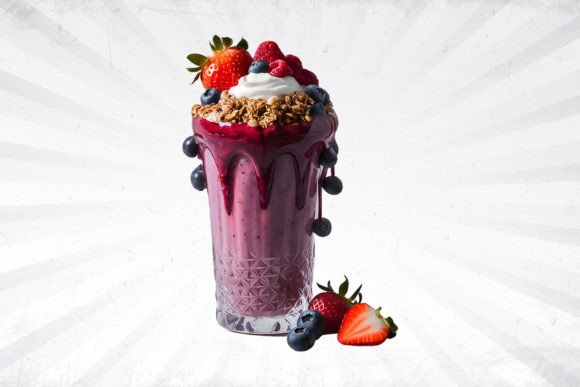
Healthy Berry Smoothie with Granola: A Balanced Guide for Your Decision
When you are exploring options for a nutritious meal or snack, the Healthy Berry Smoothie with Granola often appears as a convenient choice. This combination typically blends mixed berries, yogurt, and a crunchy granola topping served in a clear glass, offering a visually appealing and potentially nourishing option. Before deciding whether this fits your dietary goals, it helps to understand what it actually provides, where it excels, and where other choices might serve you better. This article evaluates the Healthy Berry Smoothie with Granola from a practical standpoint, helping you weigh benefits, tradeoffs, and real-world expectations.
What Is a Healthy Berry Smoothie with Granola?
A Healthy Berry Smoothie with Granola is a layered or blended dish that combines a berry-based smoothie (often made with yogurt, milk, or a plant-based alternative) with a topping or swirl of granola. Fresh berries such as blueberries, strawberries, raspberries, or blackberries provide natural sweetness and color, while the granola adds texture and a source of whole grains. Yogurt contributes creaminess and protein, making the drink more satiating than a simple fruit juice. The result is a meal-like beverage that can serve as a breakfast, post-workout refuel, or afternoon pick-me-up.
From a visual standpoint, the clear glass presentation allows you to see the layers of smoothie, yogurt, and granola, which can be appealing for social media sharing or simply enjoying a well-composed dish. However, the visual appeal does not automatically guarantee nutritional balance. The actual healthfulness depends on ingredient choices, portion sizes, and how the smoothie fits into your overall daily intake.
Convenience and Speed
For many, the primary draw is speed. A Healthy Berry Smoothie with Granola can be assembled in under ten minutes, especially if you use frozen berries and pre-made granola. This makes it an attractive option for busy mornings or when you need a nutrient-dense meal without cooking. If you are a parent, a student, or a professional with limited time, this combination can feel like a reliable shortcut to a better-for-you meal.
Nutritional Perception
Berries are widely recognized for their antioxidants, vitamins, and fiber. Yogurt provides calcium, probiotics, and protein. Granola, depending on the brand or recipe, can contribute fiber and healthy fats from nuts and seeds. The term "healthy" in the name reinforces the idea that this is a smart choice. However, the perception of healthiness can be misleading if the granola is high in added sugar or the smoothie includes sweetened yogurt or extra syrups. It is worth evaluating the actual ingredients rather than relying on the label alone.
Benefits and Strengths of This Option
- Nutrient density: When made with unsweetened yogurt, whole-grain granola, and fresh or frozen berries, this smoothie delivers a range of vitamins (C, K, B vitamins), minerals (calcium, potassium, magnesium), and antioxidants (anthocyanins, quercetin). The combination supports immune function, bone health, and cellular protection.
- Satiety from protein and fiber: The yogurt provides around 10–15 grams of protein per serving, and the granola adds 3–5 grams of fiber. This combination can help keep you full for three to four hours, reducing the likelihood of mid-morning snacking on less nutritious options.
- Customizable for dietary needs: You can easily adapt the Healthy Berry Smoothie with Granola to be gluten-free (by choosing certified gluten-free granola), dairy-free (using plant-based yogurt and milk), or lower in sugar (by skipping sweetened additives). This flexibility makes it a versatile base for many eating patterns.
- Hydration contribution: Smoothies inherently contain a high water content from the berries and liquid base, which helps with hydration—a benefit often overlooked when evaluating meal options.
Calorie and Sugar Content
One of the most common pitfalls is the calorie load. A typical Healthy Berry Smoothie with Granola can range from 300 to 600 calories, depending on the amount of granola, yogurt, and any added sweeteners. If you are aiming for weight management, this may represent a substantial portion of your daily intake. The sugar content, even when using unsweetened yogurt and berries, can still reach 20–30 grams from the fruit alone. Adding honey, agave, or sweetened granola can push it higher. It is important to check whether the sugar in your smoothie comes mostly from whole fruit (which is less concerning due to the accompanying fiber) or from added sugars.
Protein Balance
While yogurt provides a decent amount of protein, the smoothie may still fall short for those with higher protein needs—such as athletes or individuals trying to build muscle. If you rely on the Healthy Berry Smoothie with Granola as a meal replacement, you might benefit from adding a scoop of protein powder, cottage cheese, or hemp seeds to boost the protein content to 20–25 grams per serving. Without that, the protein-to-carb ratio may be tilted heavily toward carbohydrates, which can cause blood sugar spikes followed by an energy crash in some people.
Granola Quality Varies Widely
Granola is often marketed as health food, but many commercial varieties contain high amounts of added sugar, unhealthy fats, and refined grains. A serving of granola can easily contain 10–15 grams of sugar. If you are comparing the Healthy Berry Smoothie with Granola to other breakfast options, the granola component can be the weakest link. Choosing a low-sugar granola with whole oats, nuts, and seeds—or making your own—can mitigate this issue. Alternatively, you could reduce the granola portion and add more berries or seeds for texture.
When the Healthy Berry Smoothie with Granola Is a Strong Fit
- As a post-workout meal: The combination of carbohydrates from the berries and granola, plus protein from the yogurt, can help replenish glycogen stores and support muscle repair. Consuming it within 30–60 minutes after exercise is a practical strategy.
- For busy weekday breakfasts: When you need something portable and filling that does not require cooking, this smoothie is a solid choice. You can even prep the smoothie base the night before and add granola just before serving to maintain crunch.
- For individuals with low appetite: A smoothie is easier to consume than a solid meal for those who feel nauseous or have a reduced appetite due to illness, stress, or medical treatments. The Healthy Berry Smoothie with Granola can provide essential nutrients in a more accessible form.
- For children who resist vegetables: Berries offer a sweet flavor that most children enjoy, and the granola adds a fun texture. Parents can sometimes sneak in spinach or avocado without changing the taste, making it a stealthy way to increase produce intake.
If You Are Monitoring Blood Sugar
For individuals with insulin resistance, type 2 diabetes, or reactive hypoglycemia, the Healthy Berry Smoothie with Granola may cause rapid glucose spikes due to the liquid form of carbohydrates. Liquids digest faster than whole foods, leading to a quicker release of sugars into the bloodstream. In such cases, a whole-food alternative like a bowl of plain Greek yogurt with fresh berries and a small handful of nuts (without the blended smoothie) might provide better glucose control. Alternatively, you can modify the smoothie by adding a fat source (like chia seeds or almond butter) to slow absorption, but the blended texture still makes it more glycemic than eating the same ingredients whole.
If You Prioritize Satiety Over Convenience
Some people find that drinking calories, even in a thick smoothie, does not satisfy hunger as effectively as chewing solid food. If you often feel hungry again within an hour or two after drinking a smoothie, you may be better off with a bowl of oatmeal topped with berries and a dollop of yogurt, or a scrambled egg with sautéed vegetables. The act of chewing triggers satiety signals that blending bypasses. For those with a high appetite or a tendency to overeat, a Healthy Berry Smoothie with Granola might not provide enough sensory satisfaction.
If You Are on a Low-Carb or Ketogenic Diet
Berries are lower in net carbs than many fruits, but a typical smoothie still contains around 30–40 grams of carbohydrates. For someone following a strict low-carb plan (under 20–50 grams of carbs per day), this could use up the entire allowance. In that case, a spinach-avocado protein shake with a small handful of berries and no granola would be a better fit. The granola, even if grain-free, often contains nuts and seeds that still contribute carbs, so portion control becomes critical.
Evaluate Your Own Goals
Before you choose the Healthy Berry Smoothie with Granola, ask yourself: Is my main goal weight management, muscle gain, blood sugar control, or just convenience? If convenience ranks highest, this option works well with some ingredient mindfulness. If weight loss is the priority, pay attention to portion size—consider using a smaller glass or reducing granola to two tablespoons. If muscle gain is the aim, add a protein boost. If blood sugar is a concern, consider eating the components separately or opting for a whole-fruit bowl.
Ingredient Selection Matters More Than the Name
The term "healthy" is not regulated, and many store-bought or café versions of this smoothie use sweetened yogurt, sugary granola, and extra fruit juice concentrate. When making the smoothie yourself, you have full control. Use plain Greek yogurt, unsweetened almond milk, frozen berries (no added sugar), and a low-sugar granola. This approach keeps the total added sugar under 5 grams per serving while maximizing protein and fiber. If you are ordering from a café, ask for no added sweetener and request the granola on the side so you can control the amount.
Portion Size Is a Common Trap
A single glass might look innocent, but the calorie density can be high. A 16-ounce serving of a Healthy Berry Smoothie with Granola can easily be 400–500 calories. If you are accustomed to a 300-calorie breakfast, that difference adds up over time. To manage portions, use a smaller glass (8–10 ounces) or measure your ingredients before blending. Pre-portioning the granola into small bags can also prevent over-pouring.
What to Expect When You Make It Part of Your Routine
If you incorporate the Healthy Berry Smoothie with Granola into your daily diet, you can expect consistent energy for the first few hours, provided the protein and fat are balanced. You may notice improved digestion from the probiotics in yogurt and the fiber in berries and oats. Over the long term, the antioxidant content of berries supports overall health, but the impact is cumulative and not immediately noticeable. The smoothie can also simplify your morning decision-making, freeing mental energy for other tasks.
On the downside, you might experience boredom if you rely on it too often without varying the ingredients. Rotating different berry combinations, changing the yogurt flavor (plain, vanilla, or coconut-based), or swapping granola with toasted seeds can keep it interesting. Some people also find that drinking a smoothie every day reduces their overall chewing satisfaction, which can lead to cravings for crunchy foods later. Being aware of this potential pattern helps you adjust before it becomes a problem.
Aligning the Choice with Your Needs
The Healthy Berry Smoothie with Granola is not a universal solution, but it is a practical tool when matched with the right context. For someone who needs a quick, portable meal that provides a spectrum of nutrients, it is hard to beat. For someone with very specific metabolic goals or a preference for solid meals, alternatives may serve better. The key is to evaluate the smoothie not by its name or appearance, but by its actual composition and how it fits into your individual daily balance.
You can also use this concept as a starting point for customization. If you like the idea of a berry smoothie but want less carbohydrate, try a lower-berry version with more yogurt and a sprinkle of granola. If you want more fiber, add chia seeds or flax meal. The base is flexible, which is one of its strongest assets. By understanding both the strengths and limitations, you can decide whether this option deserves a regular spot in your routine or if it is better reserved as an occasional treat.
Ultimately, a well-constructed Healthy Berry Smoothie with Granola can be a nutrient-dense, satisfying choice when made with quality ingredients and consumed in reasonable portions. Let your specific goals guide the ingredients and frequency, and you will get the most out of this colorful, convenient meal.