Cat Typography Tee Shirt Design Vectors
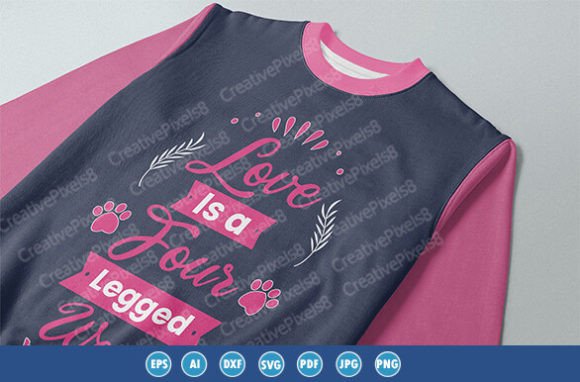
Typography meets feline charm in a design trend that continues to capture attention across apparel, branding, and digital merchandise. Cat typography tee shirt design vectors bring together bold lettering and cat-inspired motifs in a single, scalable file. These versatile assets allow creators to quickly produce apparel graphics, social media visuals, and print materials without starting from scratch each time. Whether you run a small print shop, design for clients, or simply enjoy making your own shirts, understanding how to work with these vector files opens up a range of creative and practical possibilities.
What Makes Cat Typography Tee Vectors Stand Out
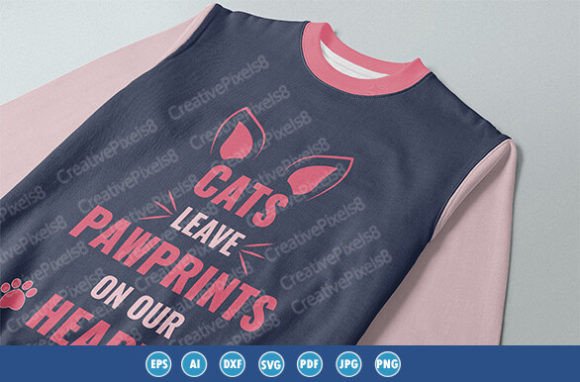
At their core, these vectors combine two powerful visual elements: custom lettering and cat imagery. The typography often carries playful or sentimental slogans, while the cat silhouette, paw print, or facial details reinforce the theme. What makes these designs particularly useful is their vector format. Unlike raster images, vectors maintain crisp edges and infinite scalability, which means you can enlarge a design for a billboard or shrink it for a business card without losing quality. The included file formats—AI, EPS, DXF, PNG, PDF, JPG, and SVG—ensure compatibility across almost any design software or cutting machine.
For creators, this means less time wrestling with resolution issues and more time experimenting with layout, color, and placement. The compressed ZIP delivery also simplifies storage and transfer, especially when working with multiple design iterations or collaborating with team members.
Creative Directions for Cat Typography Apparel
Cat typography tee shirt design vectors lend themselves to a surprising variety of styles. The same base file can be adapted for different audiences simply by adjusting color, scale, or background treatment.
Minimalist Monochrome Looks
One of the most popular approaches is the minimalist single-color print. Using black or white ink on a solid tee, the typography takes center stage while the cat element acts as a subtle anchor. This works especially well for brands that want a clean, modern aesthetic. A simple phrase like “Crazy Cat Lady” or “Purrfect Day” in a bold sans-serif paired with a tiny cat silhouette feels intentional and easy to wear. For the designer, this means fewer production complications and lower printing costs, which is ideal for small batch runs or pre-order models.
Vintage and Retro Styles
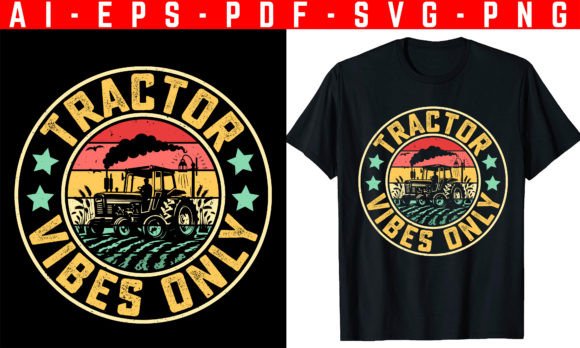
Vintage-inspired cat typography designs remain a favorite among enthusiasts and collectors. By using distressed textures, sepia tones, or retro color palettes (mustard yellow, olive green, brick red), the same vector takes on a nostalgic feel. The banner and symbol elements included in the file allow you to frame the typography inside a decorative border, creating a patch-like appearance reminiscent of classic gas station shirts or roadside souvenir tees. This style resonates well with adult audiences aged 30–50 who appreciate a sense of authenticity and character in their wardrobe.
Playful and Whimsical Versions
For a younger or more playful audience, bright colors, uneven lettering, and exaggerated cat faces bring energy to the design. You can manipulate the SVG or AI file to stretch, curve, or rotate text elements, creating a hand-drawn feel even though the base is digital. Adding elements like fishbones, yarn balls, or paw prints around the typography reinforces the cat theme without overwhelming the composition. This approach works well for children’s lines, pet store merchandise, or casual weekend wear.
Practical Applications Beyond Tee Shirts
While the name highlights tee shirts, these vector files are far from limited to apparel. Their versatility means you can apply the same design across multiple product categories, saving time and maintaining brand consistency.
Printable Decor and Wall Art
Because vectors scale without pixelation, you can print the design on canvas, poster paper, or metal for home or office decor. A framed print of a clever cat typography slogan works perfectly in a pet-themed room, a veterinary clinic waiting area, or a cozy reading nook. For entrepreneurs, offering both apparel and wall art versions of the same design creates a cohesive product line that appeals to different purchasing preferences.
Card and Invitation Design
Cat lovers often appreciate themed stationery for birthdays, adoptions, or casual gatherings. Using the included PNG or JPG files, you can place the typography on the front of a greeting card with minimal additional editing. The DXF and SVG files are also compatible with cutting machines like Cricut or Silhouette, allowing you to create layered card fronts or vinyl decals for envelopes. This opens up a niche market for small stationery businesses targeting cat-owning customers.
Stickers, Labels, and Merchandise
Stickers remain one of the highest-margin items for small brands. The vector format ensures clean die-cut lines, and the variety of file formats means you can upload directly to print-on-demand platforms without extra conversion. A single cat typography design can become a laptop sticker, a water bottle label, a tote bag print, or a coffee mug graphic. The key is to keep the typography legible at smaller sizes, which is easier when working from a vector source.
Adapting Designs for Different Platforms and Audiences
Knowing your audience helps you tailor the same vector file for different contexts. A design that works for a vintage Etsy shop might feel out of place on a modern streetwear site, but with a few adjustments, the base file adapts smoothly.
For Print-on-Demand Stores
Print-on-demand platforms require clean, high-resolution files with transparent backgrounds. The included PNG (with transparency) and SVG formats are ready to upload. To optimize for conversion, consider creating multiple color variants from the same vector. A single cat typography design in black, white, and one accent color lets customers choose their preferred style while you maintain a consistent product line. Avoid overcomplicating the design—simple typography reads well on mockups and tends to sell better across broad demographics.
For Social Media Content
Use the vector to generate quote cards, announcement posts, or story backgrounds. Export a JPG or PNG version, add a subtle shadow or texture in your editing software, and pair it with a short caption about your design process or inspiration. Cat typography resonates strongly on platforms like Instagram and Pinterest, where visual appeal and shareability matter. You can also create short video clips showing the design being printed or applied to a shirt, which tends to perform well with audiences interested in handmade or custom products.
For Local Markets and Craft Fairs
Selling in person gives you the advantage of immediate feedback. Bring a few printed samples in different colorways and sizes. Because the vector files allow you to produce variations quickly, you can test which slogans or cat styles attract the most attention. Offer customization on the spot—some customers love choosing a specific cat silhouette or font weight. Having the AI or EPS file on a laptop means you can make small adjustments and send the file to a local printer the same day.
Keeping Your Designs Organized and Consistent
Working with multiple vector files across formats requires a system. Start by creating a dedicated folder for each design project, and keep the original AI or EPS file as your master. Export the other formats only when needed to avoid confusion over which version is current. Naming conventions help: include the date, project name, and format in the filename (for example, 2025-04_cat-typography_design_ai). When compressing files into a ZIP archive, include a readme text file with brief usage notes and credits if applicable. This is especially helpful if you share files with collaborators or sell them as digital products.
Consistency in typography is equally important. If you plan to build a brand around cat typography designs, stick with a small family of fonts that complement each other. Using too many different typefaces across products can make your catalog feel disjointed. The vector files give you full control over every letterform, so take the time to kern important words, adjust baseline shifts, and ensure readability at a distance.
Practical Recommendations for Getting Started
If you are new to working with cat typography tee shirt design vectors, start with a single design and explore its range before scaling up. Open the SVG or AI file in your preferred software—Adobe Illustrator, Inkscape, or Affinity Designer all handle vectors well. Experiment with color, layout, and scale. Try placing the typography on a shirt mockup to see how it reads across the chest, then try a left-chest placement for a more subtle look.
For those using cutting machines, the DXF format is your friend. Import it into Cricut Design Space or Silhouette Studio, adjust the size to fit your blank, and cut heat transfer vinyl or adhesive vinyl. Test a sample on scrap material before cutting the final product, especially if the lettering includes fine details or tight curves.
If you sell digital files, clearly list the included formats in your product description so buyers know exactly what they receive. Many customers look for specific formats based on their tools—SVG for web designers, EPS for print shops, PNG for quick previews. Including all seven formats increases the perceived value of your listing and reduces support questions.
Finally, remember that vector files are meant to be edited. Do not treat them as static images. Adjust the kerning, swap out the cat graphic for one that fits your audience better, or combine two designs into a single composition. The more you personalize the base file, the more original your final product becomes.
Cat typography tee shirt design vectors combine the warmth of pet-themed apparel with the precision of scalable digital art. Whether you are designing for yourself, a client, or a broader audience, the available file formats and creative flexibility make these assets a practical foundation for countless projects. Start with one design, test it across formats and products, and build from there.